
 A Case Study in Steam Turbine Valve Lubrication Reliability
Steam turbine governor control valves operate under demanding thermal conditions that challenge lubricant stability. In a case study involving a U.S. electricity generator, Miller-Stephenson reported that changing the grease helped address drying-related failures and avoid recurring maintenance shutdowns. Read more ›
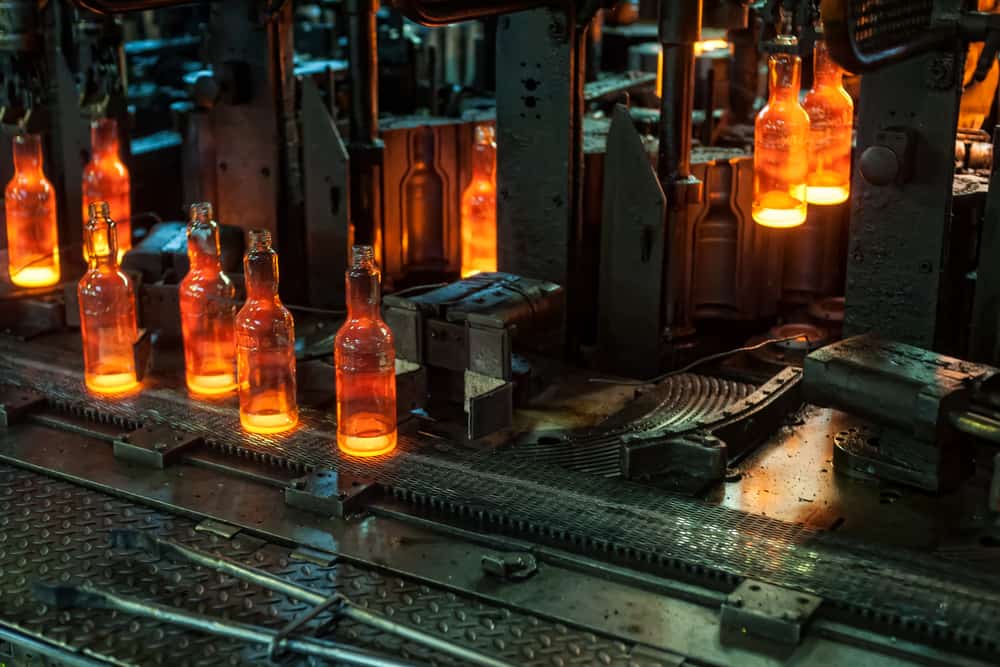 Industrial Applications of Boron Nitride Release Coatings
Boron nitride offers thermal stability, lubricity and electrical insulation, making it useful in various high-temperature forming processes. Miller-Stephenson describes a boron nitride release coating with a dual-stage binder system for glass forming, metal processing and other demanding manufacturing applications. Read more ›
 What Is the Dropping Point of Lubricating Grease?
The dropping point is an important indicator of the thermal behavior of lubricating grease. Understanding this parameter helps prevent confusion between dropping point and maximum continuous operating temperature. Read more ›
 Controlling Chain Wear on High-Speed Conveyors|Lubrication and Maintenance Practices
Chain wear on high-speed conveyors can affect operational reliability and increase maintenance needs. Assessing operating conditions, lubricant delivery, cleanliness, and maintenance records helps identify wear factors and improve system performance. Read more ›
 From Manual Greasing to Automatic Lubrication: Changing Industrial Maintenance Practices
Manual lubrication offers flexibility but depends on operator consistency and maintenance schedules. Automatic systems deliver lubricant at preset intervals, helping improve lubrication consistency when properly selected and maintained. Read more ›
 Lubricant Compliance and Risk Control in Food, Beverage, and Pharmaceutical Industries
Lubrication in food and pharmaceutical processing requires attention to equipment performance, contamination risks, and traceability. Appropriate lubricant selection and accurate documentation support effective maintenance and audit readiness. Read more ›
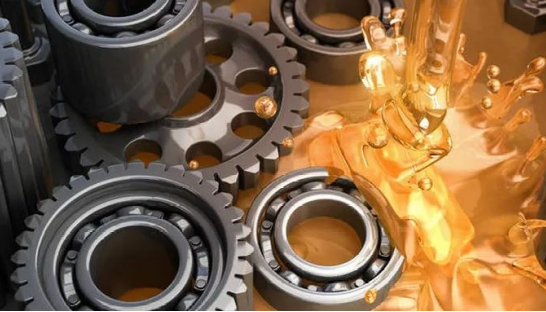 PFAS in Industrial Lubricants|Performance Benefits, Environmental Challenges and Alternatives
PFAS are used in various industrial applications for properties such as heat resistance, chemical stability and low friction. However, some PFAS persist in the environment and raise health and regulatory concerns. Understanding their role and evaluating PFAS-free alternatives can support more sustainable lubrication practices. Read more ›
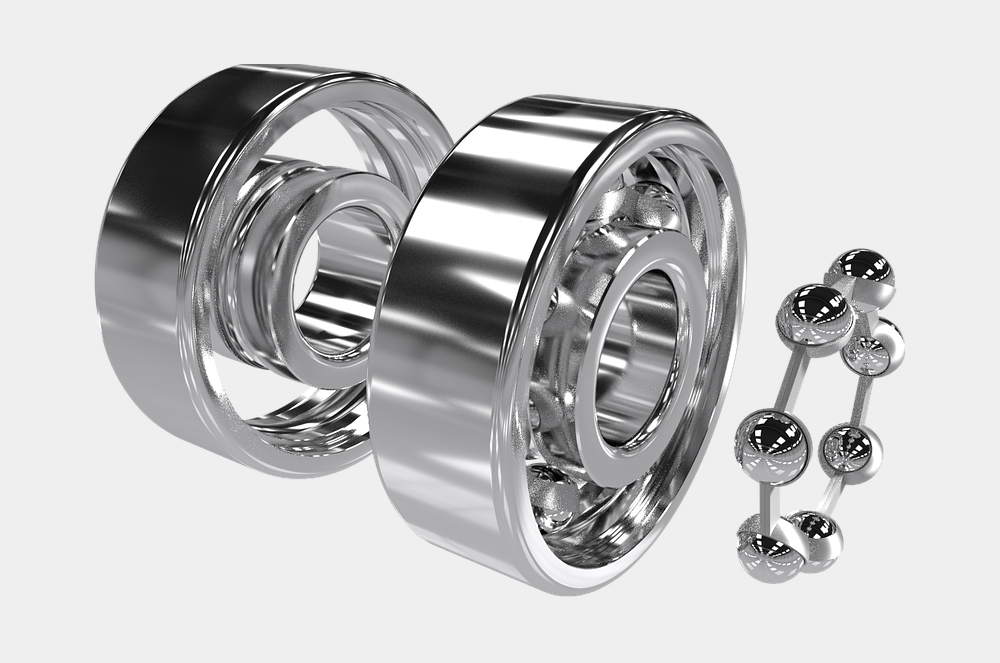 Lubrication Management for Railway Traction Motors: Bearing Temperature, Vibration, and Service Life
Traction motor bearings operate under high rotational speeds and thermal loads. Evaluating bearing temperature, vibration, and grease condition together can help identify lubrication problems, improve operational reliability, and support maintenance planning. Read more ›
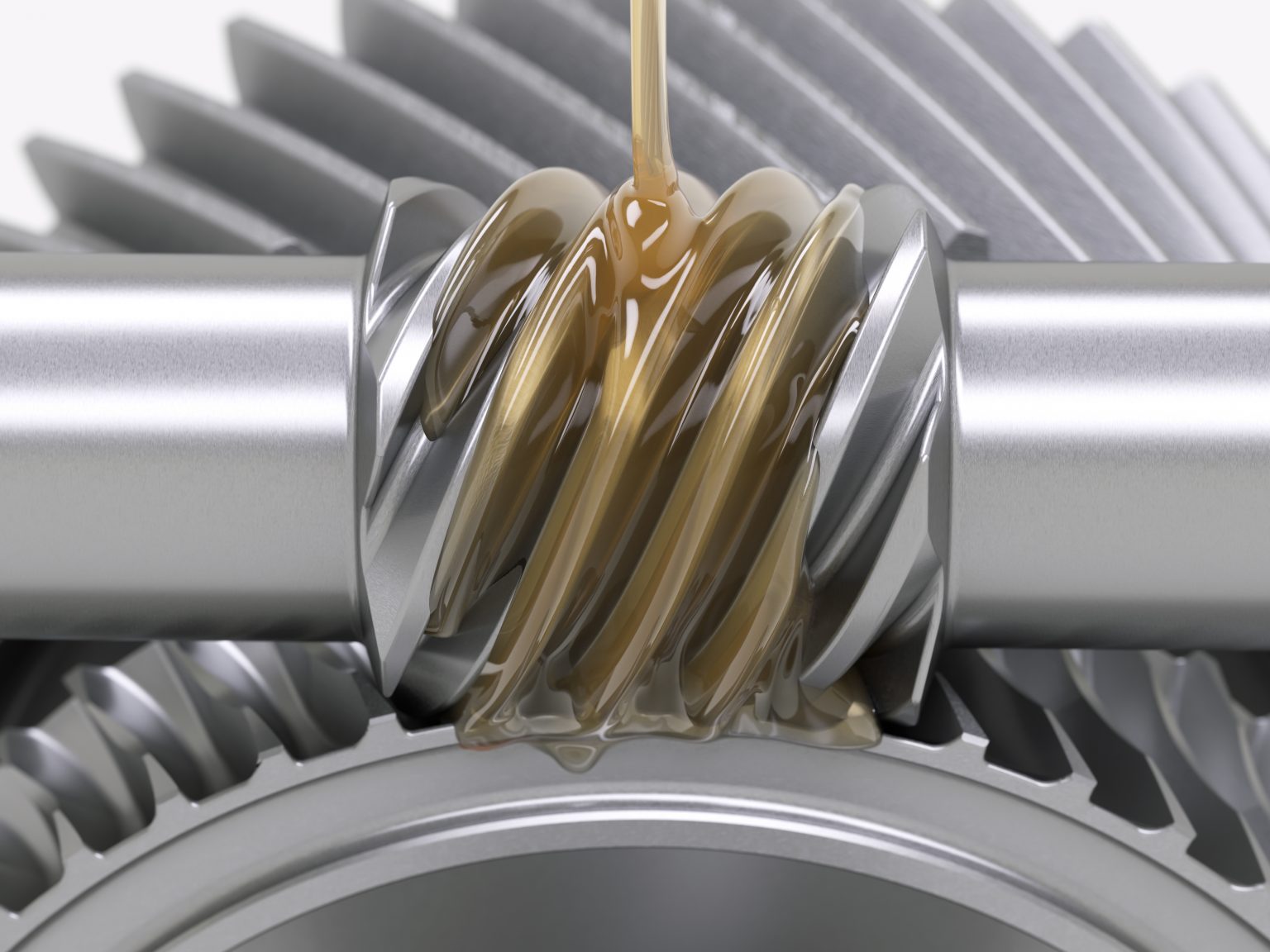 Lubricating Worm Gear Drives: Viscosity, Temperature, and Material Compatibility
Worm gear drives involve substantial sliding contact, making lubricant selection critical to film formation, heat control, and material protection. Viscosity, operating temperature, load, and compatibility with metals and seals must all be considered to help reduce wear and maintain reliable operation. Read more ›
 Why Food-Grade Lubricants Matter in Food Processing Equipment ?
Food-grade lubricants must provide reliable equipment lubrication while helping control food contamination risks. Understanding their formulations, H1/H2 classifications, storage, application, and maintenance practices supports equipment reliability and food safety management. Read more ›
 7 Key Engine Areas That Require Lubrication and Their Oil Requirements
Engine components operate under different temperatures, pressures, and friction conditions. This article outlines seven key lubrication areas and explains how wear protection, deposit control, oxidation stability, and oil flow properties support engine performance. Read more ›
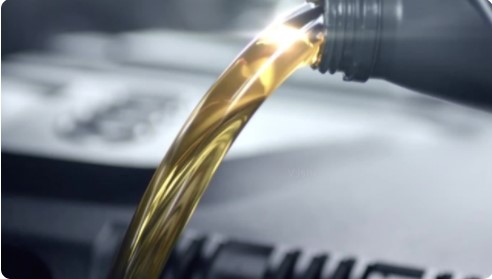 Hydraulic Oil Classification and Selection: Performance and Viscosity
Hydraulic fluid selection affects system efficiency, wear control, and reliability. Understanding fluid types and viscosity grades, while considering temperature, operating conditions, and equipment specifications, helps ensure suitable performance in different hydraulic systems. Read more ›
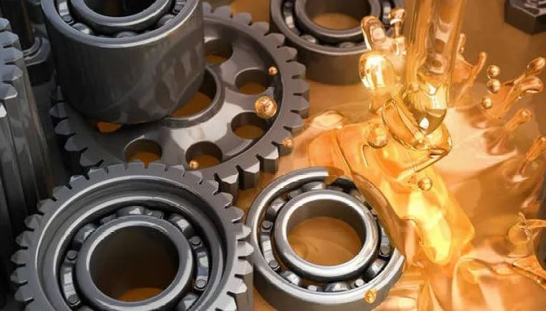 How to Identify Deteriorated Bearing Grease: Warning Signs and Inspection Methods
Aging or contaminated grease can compromise bearing lubrication and protection. Visual inspection, consistency checks, contaminant assessment, and laboratory analysis help evaluate grease condition and guide maintenance decisions. Read more ›
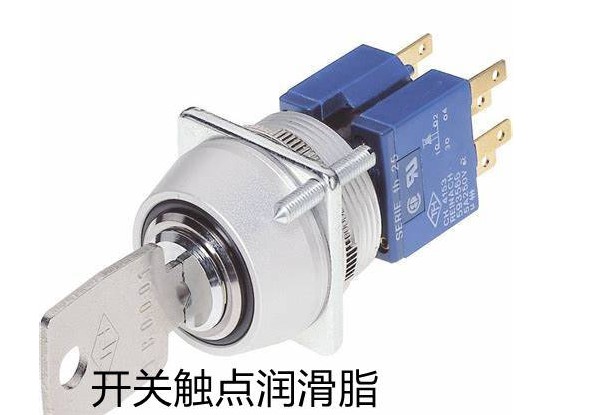 Electrical Contact Grease: Stable Contact Resistance, Oxidation Protection and Wear Reduction
Electrical contacts can suffer from oxidation, fretting wear, and material aging, affecting resistance and reliability. Specialized contact lubricants help protect contact surfaces and support stable electrical performance when correctly selected and applied. Read more ›
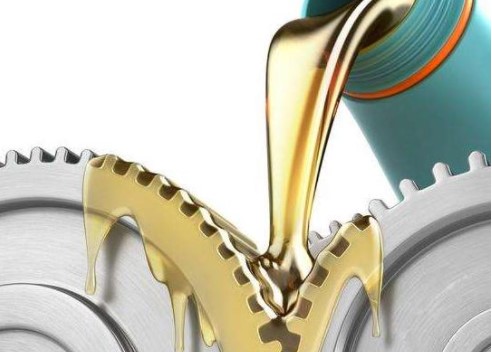 Why Is Lithium Grease Often Called a “Universal Grease”?
Lithium grease is widely used in industrial equipment and automotive components due to its mechanical stability, water resistance, and rust and oxidation protection. This article explains its composition, key properties, and application limits. Read more ›
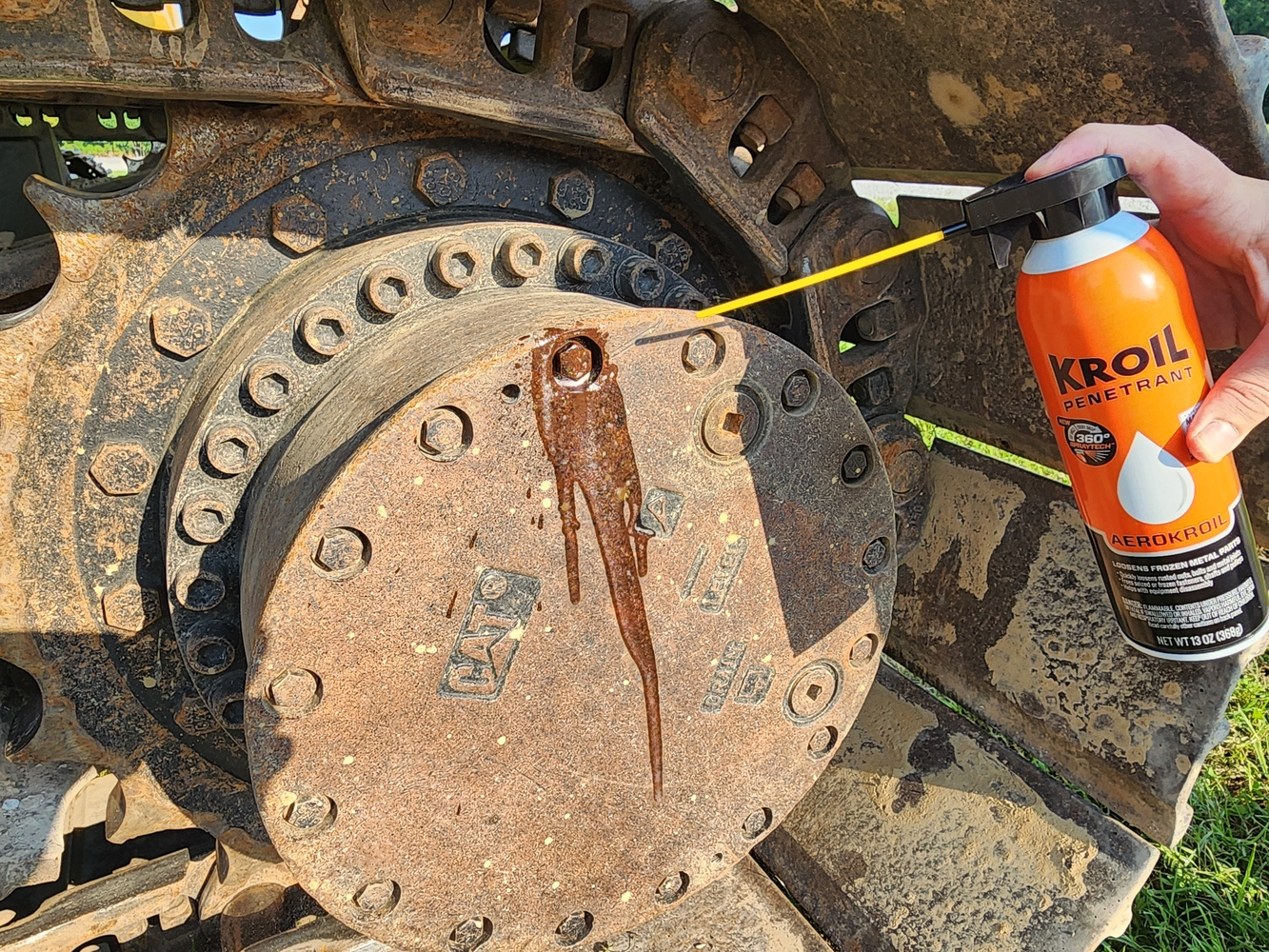 Safe Removal of Rusted Bolts | Penetrating Lubricants and Maintenance Practices
Corroded fasteners can break or damage threads during equipment maintenance. Understanding how penetrating lubricants work, how to apply them, and how to remove fasteners safely helps reduce repair risks and improve maintenance efficiency. Read more ›
 Rust Prevention for Metal Components & Machinery|5 Practical Tips
Rust and corrosion can weaken metal components, impair equipment performance and increase maintenance costs. Appropriate material selection, protective lubricants and coatings, controlled storage conditions and regular inspections help reduce corrosion risks and extend equipment service life. Read more ›
 Lubricant Storage and Handling Guide: Store, Transfer, Identify and Protect
Improper lubricant storage and handling can lead to fluid deterioration, contamination and equipment problems. Suitable storage conditions, clean transfer procedures, clear identification and first-in, first-out inventory management help preserve lubricant quality and support reliable equipment maintenance. Read more ›
 Main Types and Functions of Hydraulic Oil Additives for Optimizing Hydraulic System Performance
Hydraulic oil additives enhance base-oil performance by improving wear protection, oxidation stability, corrosion resistance, foam control and low-temperature flow. Understanding their functions helps explain hydraulic fluid performance and supports effective fluid maintenance and reliable system operation. Read more ›
 How to Select the Right Food-Grade Lubricant: Compliance, Material Compatibility and Extreme-Temperature Performance
Selecting a food-grade lubricant requires more than checking its label. Food-contact risk, applicable regulations, material compatibility, operating temperatures and maintenance practices all influence lubricant performance and food safety. A well-managed lubrication program helps reduce contamination risks, protect equipment and maintain reliable food processing operations. Read more ›
 Oilfield Thread Compounds: Composition and Application
Thread compounds support reliable threaded connections in oilfield drilling and OCTG operations. Their functions include lubrication, sealing, anti-galling protection, and corrosion control. This article outlines compound composition and application practices to help reduce connection damage and improve operational reliability. Read more ›
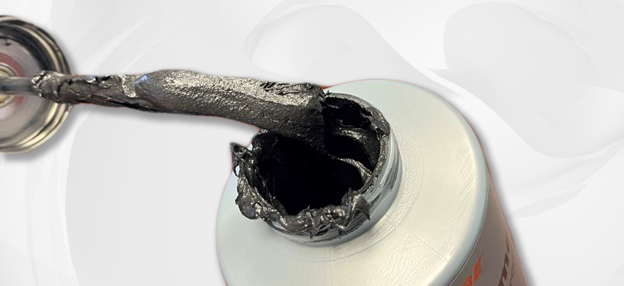 Industrial Anti-Seize Selection Guide: Functions, Types and Applications
Anti-seize compounds help protect threaded fasteners and metal contact surfaces against seizure, galling, rust, and corrosion. This article explains their functions, common formulations, and key selection criteria for industrial maintenance. By evaluating operating temperature, material compatibility, chemical exposure, and regulatory requirements, maintenance professionals can select suitable products for manufacturing, oil and gas, mining, and other demanding applications. Read more ›
 Industrial Grease Thickener Types: Lithium, Lithium Complex, Aluminum Complex, Calcium Sulfonate and Polyurea
Thickener chemistry is a major factor influencing grease structure, water resistance, temperature capability, mechanical stability, and load-carrying performance. Different thickener systems offer distinct characteristics in oxidation resistance, extreme-pressure protection, and application suitability. This article examines lithium, lithium complex, aluminum complex, calcium sulfonate, and polyurea greases, outlining their principal characteristics and typical industrial uses. Read more ›
 Grease Fundamentals: Composition, Key Properties and Industrial Applications
Grease is widely used in industrial manufacturing, rail transportation, oil and gas production, mining, and heavy-duty equipment. Understanding its composition, consistency, base oil viscosity, temperature performance, wear protection, and water resistance is essential to developing an effective lubrication strategy. This article explains the fundamental components of grease, the operating conditions in which grease lubrication offers advantages, and the key properties that influence product selection. Read more ›
 Bel-Ray Advances Its 4-Cycle Engine Oil Portfolio
In July 2026, Bel-Ray Powersports announced a comprehensive reformulation of more than 20 SKUs across its 4-cycle engine oil portfolio, covering key product families including EXL, EXP, EXS, Thumper®, and V-Twin. Most of the updated products now meet or exceed the API SP performance standard and are registered to JASO MA2 2023. The new formulations are engineered for high-load and high-RPM operating conditions, using advanced additive technology to enhance anti-wear protection, engine cleanliness, oxidation stability, and overall durability. Optimized friction characteristics also support smoo Read more ›