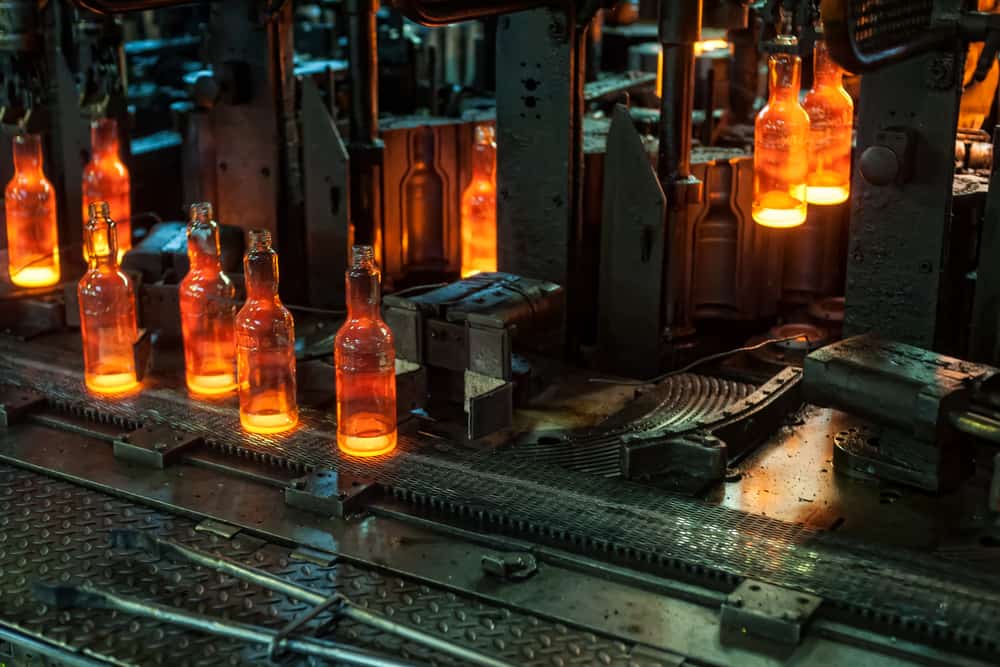
Electrical Contact Grease: Stable Contact Resistance, Oxidation Protection and Wear Reduction
Electrical contacts can suffer from oxidation, fretting wear, and material aging, affecting resistance and reliability. Specialized contact lubricants help protect contact surfaces and support stable electrical performance when correctly selected and applied.
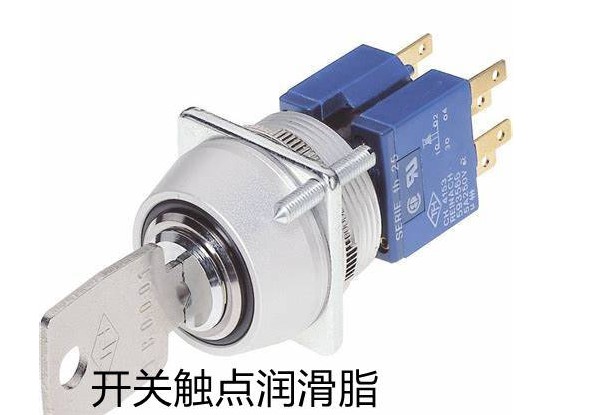
Why Do Electrical Contacts Need Specialized Grease?
Switches, connectors, relays, and sliding contacts may experience wear, oxidation, and contamination during repeated operation. Surface films and damage at the interface can increase contact resistance and affect signal transmission, temperature rise, and equipment reliability. Specialized contact lubricants are designed to reduce friction and corrosion while supporting stable electrical contact performance.
Balancing Lubrication and Electrical Performance
Metal surfaces are microscopically uneven, so electrical conduction occurs through a limited number of loaded contact spots. Contact grease can protect surrounding surface areas from moisture and contaminants, helping reduce oxidation and fretting corrosion. During movement, it can also reduce friction and wear and improve operating smoothness.
Contact lubricants must balance low and stable contact resistance with oxidation stability, corrosion protection, low-temperature performance, and material compatibility. Electrical behavior depends on formulation, film thickness, contact materials, contact force, and component design. Conductivity or resistivity alone cannot determine suitability.
Selection and Application Considerations
Conventional mechanical grease may not be suitable for electrical contacts. Conductive lubricants are also not automatically appropriate for sliding switches or multi-pin connectors, as migration can create unintended conductive paths. Selection should consider contact type, voltage and current, movement, temperature range, and material combinations, following the equipment and lubricant manufacturers’ requirements.
Before application, isolate electrical power and follow relevant safety procedures. Apply the specified amount and prevent lubricant from spreading onto insulating areas where it could interfere with operation. Test compatibility with sensitive plastics and specialized metals, and verify contact resistance and operating stability using appropriate electrical tests. Properly selected and applied contact lubrication can help limit wear and corrosion and improve long-term switch and connector reliability.